


When a drain blocks, most people’s first instinct is to reach for a bottle of drain cleaner from under the sink. If that doesn’t work, the next thought is usually “I need a plumber.” Both reactions are understandable, but neither is always the right answer. Chemical drain cleaners have real limitations (and risks), and plumbers, while capable of many things, aren’t always the best people to call for a drainage problem.
Understanding what each option actually does, and when a specialist drainage engineer is the smarter call, can save you time, money, and the frustration of watching the same drain block again a fortnight later.
Chemical drain cleaners: a quick fix with limits
Chemical drain cleaners (the bottles of caustic or enzymatic liquid you buy from the supermarket or hardware shop) work by dissolving organic blockages. Caustic cleaners use sodium hydroxide to generate heat and break down grease, hair, and soap scum. Enzymatic cleaners use bacteria to eat through organic material more slowly but less aggressively. Both can shift a minor blockage that’s sitting close to the plughole.
For a sink that’s draining slowly because of a build-up of soap and hair in the trap, a chemical cleaner might do the job. It’s cheap (a few pounds per bottle), it’s immediate, and if the blockage is minor and localised, it can get things moving again without a phone call.
The problems start when people rely on chemical cleaners for anything beyond a surface-level blockage, or when they use them repeatedly. The chemicals strong enough to dissolve grease and hair are also strong enough to corrode older metal and clay pipes, particularly if the product sits in the pipe rather than flowing through it. Using drain cleaner every few weeks to manage a recurring slow drain isn’t fixing the problem; it’s masking it while potentially weakening the pipe from the inside. And for a serious blockage further down the system, such as tree roots, a collapsed section, or a build-up of fat in an underground run, a bottle of drain cleaner won’t even reach the obstruction, let alone shift it.
What a plumber actually does
Plumbers deal with water coming into your property. Their core work is installing and repairing the pressurised clean water system: taps, sinks, showers, baths, toilets (the cistern and flush mechanism), boilers, radiators, and the pipework that connects them all. A qualified plumber can also install waste pipes from appliances to the nearest soil stack or drain connection, so they work with drainage at the point where it leaves the building.
Many plumbers will attempt to clear a basic blocked drain if they’re already on site, typically with a plunger, hand rods, or a small drain snake. For a blocked toilet or a slow kitchen sink, this is often enough. But most general plumbers don’t carry the specialist equipment needed to diagnose and fix problems further down the drainage system, things like CCTV cameras, high-pressure jetting rigs, robotic root cutters, or pipe relining kit. If the blockage is in the underground drainage rather than the trap under the sink, a plumber may clear the immediate symptom but not the underlying cause.
This isn’t a criticism of plumbers. It’s simply a different specialism. You wouldn’t ask an electrician to fix your boiler, even though both work on systems in your house. The same principle applies to plumbing and drainage: there’s an overlap, but the deeper you get into underground drain problems, the more you need someone with drainage-specific training and equipment.
What a drainage engineer does
A drainage engineer (also called a drain contractor or drainage specialist) deals with wastewater and sewage leaving your property. Their focus is the underground drainage system: the pipes, inspection chambers, manholes, and connections that carry waste from your house to the public sewer or private treatment system. This is a different discipline from plumbing, with different equipment, different training, and different qualifications.
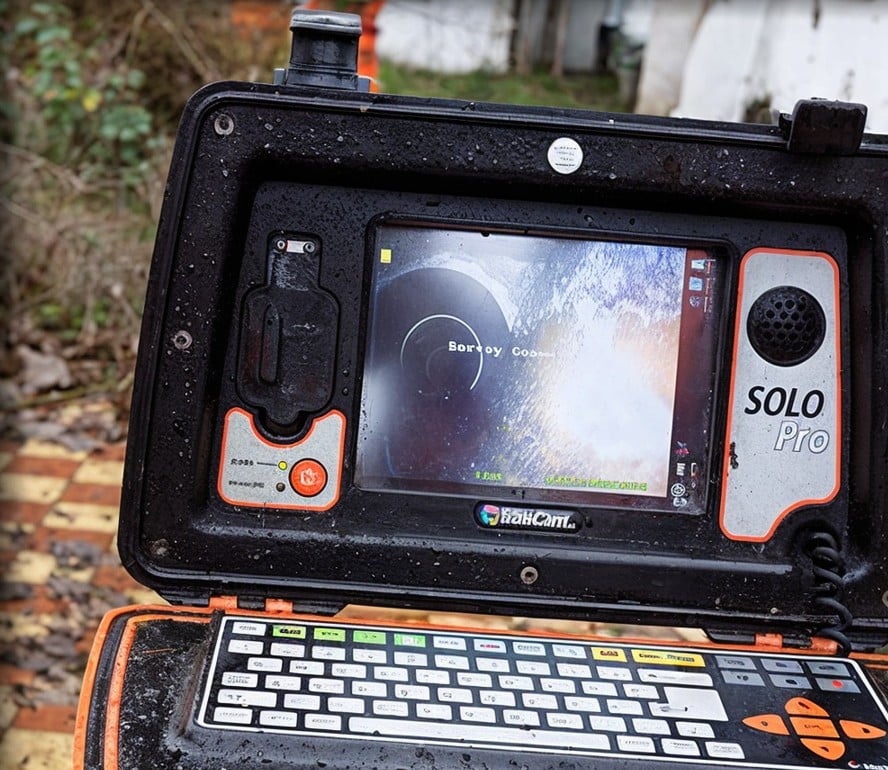
The equipment a drainage specialist carries on their van is what sets them apart. A typical drainage engineer will have:
- A CCTV camera system to inspect the inside of the pipe and identify exactly what’s causing the problem
- A high-pressure jetting rig to blast through blockages and clean the pipe walls
- Drain rods and powered snakes for mechanical clearing
- Robotic cutting equipment to remove tree roots and hard obstructions
- Pipe relining and repair equipment for fixing damaged sections without digging
The diagnostic capability is the real difference. A plumber dealing with a blocked drain is usually working blind, pushing rods in and hoping to hit the blockage. A drainage engineer can send a camera down the pipe, see exactly what’s wrong, where it is, and what caused it, and then choose the right method to fix it. That’s the difference between treating a symptom and solving a problem.

When to use a chemical drain cleaner
Chemical drain cleaners have a narrow but legitimate role. They’re worth trying when:
- A single sink, bath, or shower is draining slowly (not completely blocked)
- The slow drainage has only just started and is likely caused by hair, soap, or grease near the plughole
- The pipes are modern plastic in good condition (not old clay or cast iron that could be damaged by caustic chemicals)
- You haven’t used a chemical cleaner on the same drain recently (repeated use causes cumulative damage)
If the cleaner works and the drain flows freely again, you’ve solved a minor problem for a few pounds. If it doesn’t work, or if the slow drainage comes back within a few weeks, stop pouring chemicals down the pipe and call a professional. You’re dealing with something that a bottle from the shop can’t fix.
When to call a plumber
Call a plumber when the problem is with the water supply or with fixtures inside the house. Plumber territory includes:
- A dripping or broken tap
- A toilet that won’t flush properly (cistern, valve, or flush mechanism issues)
- Low water pressure from taps or showers
- Leaking pipes inside the house (under the sink, behind the bath, in the walls)
- A faulty boiler or radiator
- Installing a new bathroom, kitchen, or appliance
If the problem is above ground and involves clean water or the fixtures that use it, a plumber is the right call. Some plumbers also handle basic drain clearing, and if they’re already at your property for another job, it can be efficient to ask them to take a look at a slow drain while they’re there.
When to call a drainage specialist
Call a drainage engineer when the problem is in the underground drainage system or when a blockage is beyond what a plunger or drain cleaner can fix. The signs that you need a drainage specialist rather than a general plumber include:
- Multiple drains in the house are slow or backing up at the same time (this points to a blockage in the main drain rather than an individual trap)
- Sewage or dirty water is backing up through inspection chambers, outside gullies, or ground-level drain covers
- You can smell sewage in the garden, driveway, or around the outside of the property
- The same drain keeps blocking despite repeated clearing
- You’ve noticed wet or boggy patches in the garden above the drain route
- A plumber has already tried and couldn’t resolve the problem
- You suspect tree root damage, a collapsed pipe, or structural damage to the drain
In these situations, the diagnostic equipment that a drainage engineer carries is what makes the difference. A CCTV drain survey can identify the exact location and cause of the problem in minutes, which means the right fix can be applied first time rather than guessing and hoping. For recurring blockages in particular, the survey often reveals a root cause (tree root intrusion, a displaced joint, a bellying pipe) that no amount of rodding or chemical cleaner will permanently fix.
Cost comparison
A bottle of chemical drain cleaner costs between £3 and £10. If it works, it’s the cheapest option by far. If it doesn’t, you’ve spent a few pounds and still need professional help.
A plumber’s call-out fee is typically £60 to £100 in the UK, with the first hour’s labour on top. For a straightforward blocked toilet or kitchen sink, the total bill is usually between £80 and £150. If the plumber can’t fix the problem because it’s deeper in the drainage system, you’ll pay their call-out fee and then need to call a drainage specialist on top.
A drainage specialist call-out for a blocked drain typically costs between £80 and £200, depending on the severity and the method needed. That usually includes jetting or rodding to clear the blockage. If a CCTV survey is needed (and it’s always worth having one for recurring problems), that adds £100 to £200, though many drainage companies include a basic survey in the unblocking price. The survey pays for itself by identifying the cause and preventing repeat call-outs.
The most expensive route is the one that involves multiple professionals. If you try a chemical cleaner (£5), then call a plumber who can’t fix it (£80+), and then call a drainage specialist (£100+), you’ve spent more than you would have by calling the right person first. For anything beyond a minor sink blockage, going straight to a drainage specialist is usually the most cost-effective approach.
Can a drainage specialist do plumbing work?
Some drainage companies also offer plumbing services, and some plumbing firms have drainage divisions. The two disciplines overlap at the point where waste pipes leave the building and connect to the underground drainage, and a company that covers both can handle the full chain from tap to sewer.
That said, the specialist equipment and training required for underground drainage work is distinct from general plumbing. When you’re dealing with a drainage problem, you want someone who does drainage every day, with the CCTV cameras, jetters, and diagnostic experience to get to the bottom of it quickly. A plumber who occasionally clears a drain is not the same as a drainage engineer who clears drains all day, every day.
Frequently asked questions
Are chemical drain cleaners safe for my pipes?
For modern plastic pipes in good condition, occasional use of a drain cleaner is unlikely to cause damage. For older clay, cast iron, or pitch fibre pipes, caustic chemicals can accelerate deterioration, especially if they sit in the pipe rather than flowing through. As a rule, don’t use chemical cleaners regularly, and never on a pipe you suspect is already damaged.
Should I try unblocking a drain myself before calling anyone?
For a simple blockage in an outside inspection chamber, a set of drain rods and 20 minutes of work can often clear the problem. For a blocked sink or toilet, a plunger is worth trying first. If these basic steps don’t work, or if the blockage is in the underground system rather than at a single fixture, call a drainage specialist rather than escalating with more aggressive DIY methods.
Do I need a drainage engineer for a blocked toilet?
Usually not. A blocked toilet is typically a plumbing job (and often a plunger job). The exception is when the toilet is backing up because of a blockage further downstream in the drainage system, which you’ll know because other fixtures in the house are also draining slowly or backing up at the same time. In that case, the problem is in the underground drain, not the toilet, and you need a drainage specialist to find and clear the obstruction.
How do I find a good drainage specialist?
Look for a company that carries CCTV survey equipment (not just rods), offers a call-out and diagnostic service, and can explain what they find before quoting for repairs. Avoid anyone who quotes a price without seeing the problem first. A reputable drainage company will survey the drain, show you the footage, and then recommend the right solution based on what they’ve actually seen.
Getting your drain sorted
If you’ve tried the bottle under the sink and the plunger in the cupboard and the drain is still giving you trouble, it’s time for a proper diagnosis. Clark Drainage carries out CCTV drain surveys, high-pressure jetting, and professional drain cleaning across the UK. We’ll find out what’s causing the blockage and fix it properly so it doesn’t come back.
Call us on 0800 085 1219 for a free quote, or visit our contact page to book a visit.
